Booking options
£250
£250
Delivered Online
Two days
Intermediate level
Thursday 22nd and Friday 23rd October 2026
Online via Zoom
9.15am to 2.45pm each day
10 EMDR UK CPD credits granted
Presenters:
Dr Deborah Kingston and Dr Jonathan Hutchins
Dr Deborah Kingston and Dr Jonathan Hutchins have created a new two-day workshop on adapting EMDR therapy for neurodivergent clients.
The workshop will take place online via Zoom on Thursday 22nd and Friday 23rd October 2026, from 9.15am to 2.45pm on both days.
The workshop has been deliberately structured across two shorter days to make it more accessible for neurodivergent therapists, parents and carers who may need to do the school run, and therapists who find full online training days exhausting or difficult to process.
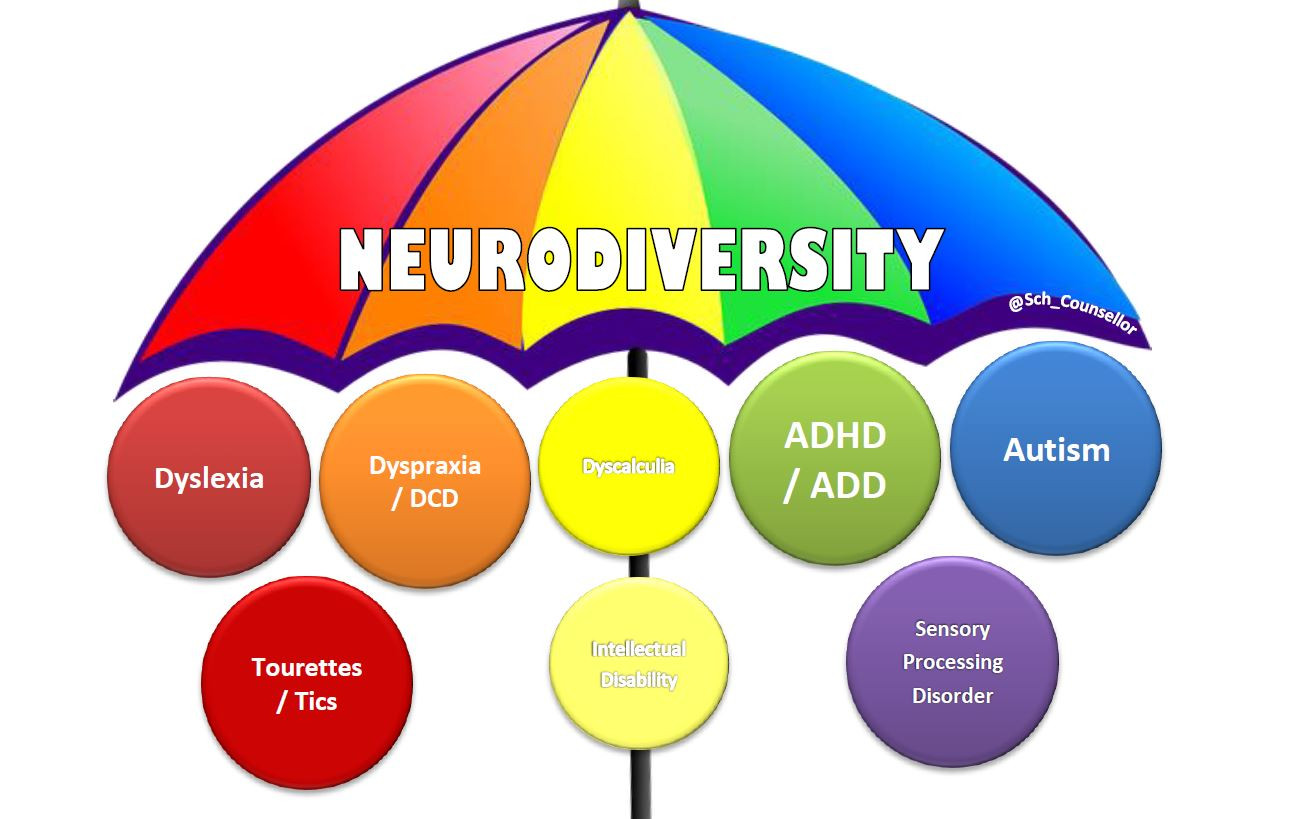
The goal of this workshop is to improve practitioners’ understanding, confidence and clinical skill when working with clients who are neurodivergent. This may include clients with diagnoses or profiles of autism, ADHD, dyslexia, dyscalculia, dyspraxia, Tourette Syndrome and acquired neurodivergence.
The training will consider how EMDR therapy can be clinically adapted across all 8 phases of the EMDR standard protocol when working with neurodivergent clients.
This is not an advanced workshop on one specific diagnosis, such as autism or ADHD. Instead, it is designed to help EMDR therapists think more broadly and clinically about neurodivergence, trauma, nervous system differences, sensory processing, masking, shame, communication differences, shutdown, overwhelm and therapeutic pacing.
Both presenters are themselves neurodivergent, and we hope this will add to the richness, honesty and clinical depth of the material and discussions across the two days.
The workshop is divided into two linked but slightly different days.
Day 1 will focus on developing a deeper understanding of neurodivergence and how it may present clinically within EMDR therapy.
We will consider autism, ADHD, dyslexia, dyscalculia, dyspraxia, Tourette Syndrome and acquired neurodivergence, while recognising that many clients may have overlapping profiles, late diagnosis, missed diagnosis, or no formal diagnosis at all.
Day 1 will explore how neurodivergence can influence:
• assessment
• history taking
• preparation
• case conceptualisation
• target selection
• sensory overwhelm
• masking
• shame
• shutdown
• communication differences
• emotional regulation
• pacing
• the therapeutic relationship
There will be practical application throughout the day, including consideration of how therapists may adapt their thinking and practice while still remaining grounded in the EMDR 8-phase model.
Day 2 will be more heavily clinically focused with several videos demonstrating how to apply EMDR with this population!
This day will focus on practical clinical skills, case discussion, formulation and EMDR case conceptualisation for neurodivergent clients.
We will explore what therapists can do when clients:
• become overwhelmed
• shut down
• struggle to identify targets
• cannot easily access words
• lose the thread during processing
• appear “resistant” or “stuck”
• have complex masking presentations
• struggle with body awareness
• move quickly into shame
• need the work to proceed at a different pace
Participants will be invited to email clinical questions or areas where they feel stuck before the workshop. These will be used to support case discussion, formulation and practical problem solving during Day 2.
The aim of Day 2 is to help therapists leave with practical ideas, increased confidence and clearer clinical thinking when adapting EMDR for neurodivergent clients.
We have published a paper for EMDR Quarterly on EMDR with neurodivergence, which overlaps with the workshop and includes several suggested adaptations of the EMDR standard protocol with this client group:
This workshop is for therapists who have completed basic EMDR training and above.
It may be particularly relevant for EMDR therapists who:
• work with neurodivergent clients
• are neurodivergent themselves
• work with clients who experience shutdown, overwhelm or masking
• feel stuck when clients cannot easily access words, body sensations or targets
• want to adapt EMDR without moving away from the 8-phase model
• want practical clinical ideas and case conceptualisation support
• are interested in trauma, neurodivergence and nervous system informed practice
This workshop has been granted 10 CPD credits by the EMDR UK Association.
Early bird rate: £250 before 31st July 2026
Full workshop fee: £280 after 31st July 2026
Single day attendance: £145 per day (if you wish to book the single day option please email: emmajacksonpts@gmail.com
To introduce neurodivergence, what this means, and the diagnoses and profiles that may sit beneath this label.
To recap the EMDR standard protocol and consider why fidelity to the 8-phase model remains important.
To explore how neurodivergence may impact each phase of EMDR therapy, including assessment, preparation, processing, pacing, interweaves and closure.
To offer practical adaptations across the EMDR standard protocol for neurodivergent clients.
To support therapists with clinical skills, case conceptualisation, formulation and problem solving when working with neurodivergent clients.
To include skills practice and case discussion, particularly on Day 2, where the focus will be more clinically applied.
By the end of the workshop, participants will have:
Improved knowledge and awareness of neurodivergence and how it may present clinically within EMDR therapy.
Increased understanding of how neurodivergence can affect assessment, preparation, processing, communication, pacing and the therapeutic relationship.
Greater confidence in adapting the EMDR standard protocol while maintaining fidelity to the 8-phase model.
Practical ideas for supporting neurodivergent clients who experience overwhelm, shutdown, masking, shame, sensory differences or difficulty accessing words, body sensations or targets.
Increased understanding of EMDR case conceptualisation for neurodivergent clients.
Opportunities to consider clinical difficulties submitted by participants before the workshop, with discussion around formulation, adaptations and possible solutions.
Space to reflect on whether more formalised adaptations or adapted protocols may be helpful for this client group.
To promote greater inclusion within EMDR therapy by supporting therapists to adapt to neurodivergent client needs.
To support neurodivergent clients by increasing practitioner confidence in using EMDR with this client group.
To consider the impact of living in a neurotypical culture and how this may contribute to trauma, shame, masking, burnout and distress.
To consider difficulties in diagnosis for autism and ADHD in women and girls, and how these difficulties may also be affected by cultural bias, gender bias and social expectations.
To consider how people from White British backgrounds may be more likely to receive a formal diagnosis of autism or ADHD than people from Black, Asian and minoritised ethnic communities, and people from socially deprived communities.
To encourage therapists to think about neurodivergence through a lens of difference, adaptation and accessibility, rather than deficit.
The workshop will take place on Thursday 22nd and Friday 23rd October 2026.
Both days will run from 9.15am to 2.45pm.
The workshop will be held online via Zoom.
We have designed the workshop in this way to aid accessibility.
Two shorter days may be easier for neurodivergent therapists, therapists who find full online days exhausting, and parents or carers who need to manage the school run or other caring responsibilities.
It also gives participants time to process the material between Day 1 and Day 2.
Day 1 focuses on EMDR for neurodivergence, including theory, understanding and practical application.
We will explore neurodivergence, clinical presentation, trauma, masking, sensory needs, shutdown, shame, pacing and adaptations across the 8 phases of EMDR.
Day 2 is more clinically applied.
It will focus on clinical skills, EMDR case conceptualisation, practical adaptations, case discussion and problem solving.
Participants will be invited to send in clinical questions or areas where they feel stuck before the workshop.
You can attend the full two-day workshop or book a single day.
However, the two days are designed to work together. Day 1 gives the theoretical and clinical foundation, while Day 2 develops the clinical skills, formulation and case conceptualisation.
Yes. The workshop is open to therapists who have completed basic EMDR training and above.
No. This is not an advanced autism workshop.
We will consider a range of neurodivergent profiles, including autism, ADHD, dyslexia, dyscalculia, dyspraxia, Tourette Syndrome and acquired neurodivergence.
The focus is on how neurodivergence may affect EMDR therapy and how therapists can adapt clinically across the 8-phase model.
Yes. The workshop will include practical ideas, adaptations, skills practice and case discussion.
Day 2 will be particularly focused on clinical application, including what therapists can do when they feel stuck or when clients become overwhelmed, shut down, lose the thread or struggle to access targets, words or body sensations.
Yes. Participants will be invited to email clinical questions or areas where they feel stuck before the workshop.
These will be used to support case discussion, formulation and practical problem solving during Day 2.
Yes. The workshop has been granted 10 CPD credits by the EMDR UK Association.
On Monday the 13th of May 2025 from 9am to 5pm.
Yes the workshop is open to those who have completed their basic EMDR training and above.