Booking options
£70

£70
Delivered Online
3 hours 15 minutes
All levels
Dr Deborah Kingston and Dr Jonathan Hutchins have created a brand new workshop on EMDR case conceptualisation to aid work with clients who are Neurodivergent! The workshop will take place via zoom on Monday the 18th of May 2026 12.15pm to 3.30pm.
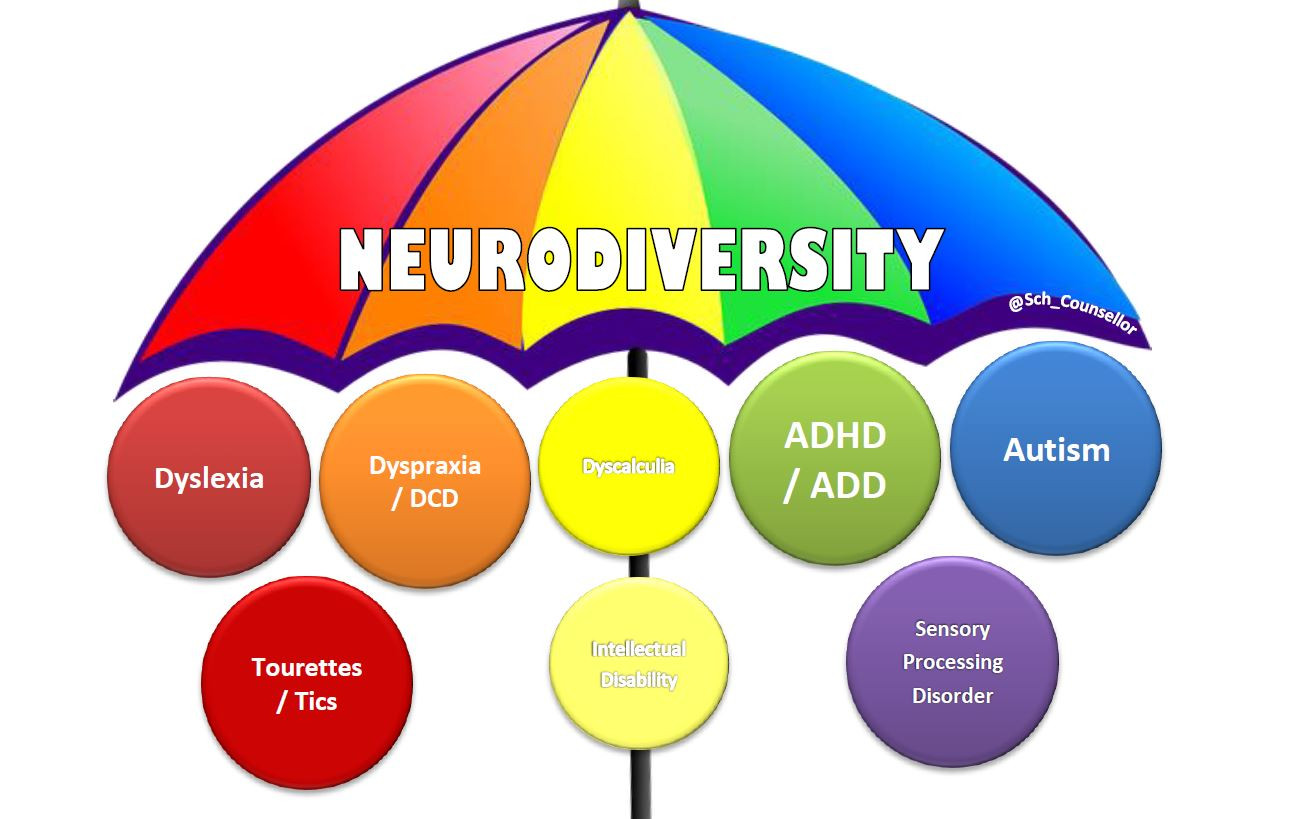
The goal of this workshop is to develop skills in case conceptualisation and adaptations for clients who have Autism, ADHD, Dyslexia, Dyscalculia, Dyspraxia Tourette Syndrome and Acquired Neurodivergence.
The workshop will be 2 hours on CPD and case conceptualisation and a further hour will be offered afterward for clinical case consultation to those who wish to discuss specific cases that they are working with.
Both presenters of the workshop are themselves neurodivergent we hope this will add to the richness of the material and discussions on the day.
We have applied for 2 CPD credits from the EMDR UK Association.
Aims of the workshop:
1. To recap the EMDR Standard Protocol
2. To focus on adaptations of the standard protocol to this client group
3. To formulate, using the EMDR case conceptualisation tool, complex cases with neurodivergence
4. Skills practice and case discussion
Learning Outcomes:
1. To improve practitioners knowledge and awareness of neurodivergence and how it may present clinically.
2. To give practitioners knowledge of adaptations to the standard protocol and how these may be used to support clients with neurodivergence.
3. To offer practical solutions to practitioners difficulties when working with neurodivergent clients. through practitioners emailing us before the workshop with difficulties and then for us to case discuss/formulate and propose solutions to.
4. To aid practitioners case conceptualisation skills when working with this client group.
Equality Diversity and Inclusion Aims:
1. To promote inclusion to EMDR therapy by adapting to neurodivergent client needs.
2. To support neurodivergent clients through giving practitioners confidence in using EMDR with this client group to support them in managing in a neurotypical culture.
3. To consider difficulties in diagnoses for ASD and ADHD with women and within non white western culture and to consider cultural bias in diagnosis and the construct of these diagnoses.
4. To consider how it may be more likely for people from White British background to get a formal diagnosis of ASD/ADHD opposed people from a BAME.